Academic milestones & startup logs
Get in touch or check socials
Explore the system designs, backend pipelines, and performance benchmarks behind my latest software engineering projects.

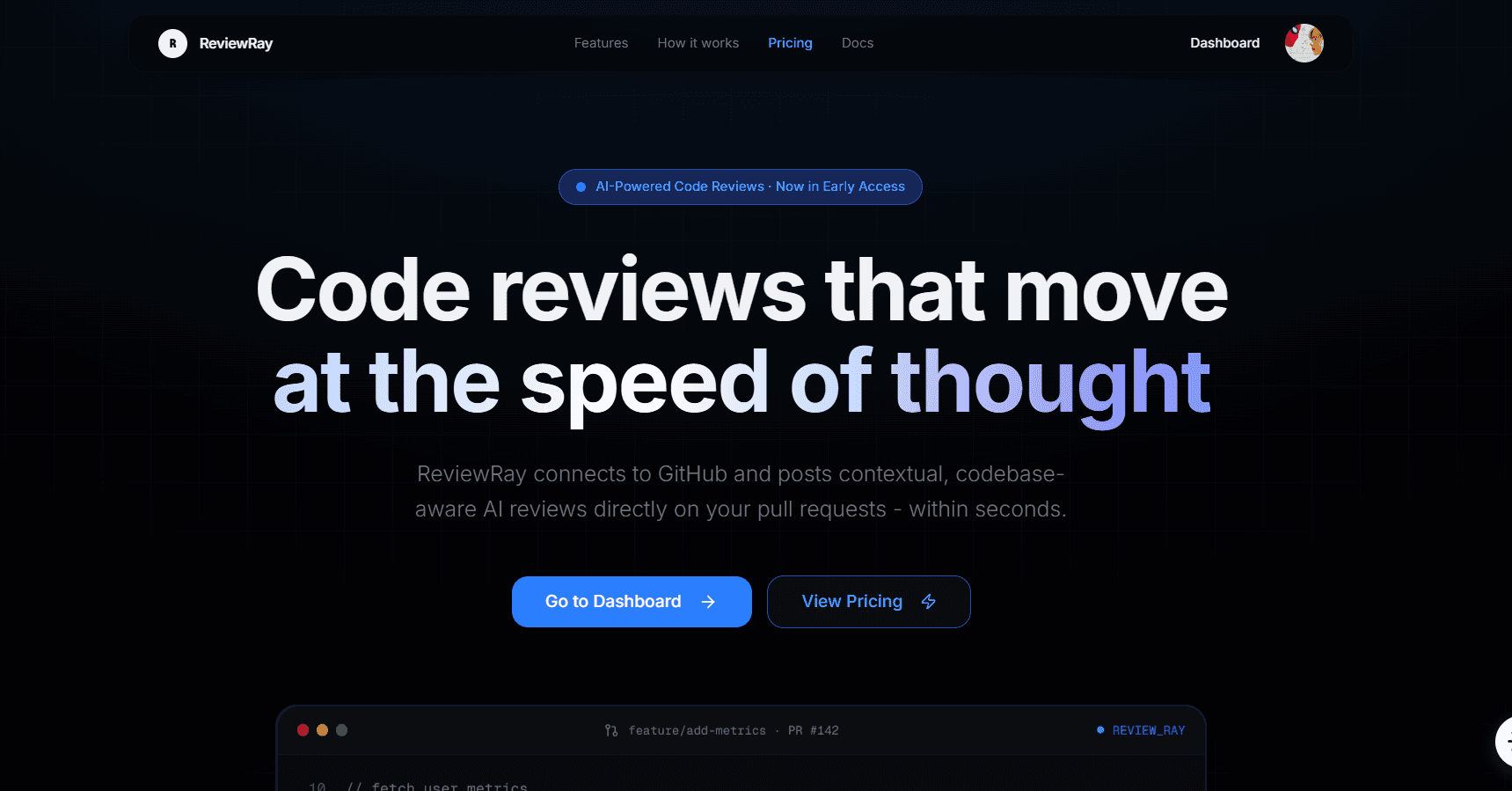
ReviewRay is an AI-native code review platform that integrates directly with GitHub workflows to provide codebase-aware, automated feedback on pull requests. Built for modern software development teams, it leverages vector semantic search and Large Language Models to analyze pull request diffs, retrieve project context, and publish contextual inline code reviews in seconds.
Next.js App Router -> Server Actions and Route Handlers -> Prisma ORM -> PostgreSQL | Better Auth Session Handling | Inngest Background Jobs | OpenRouter and Pinecone Client -> Model Inference via GitHub Webhooks
Visualizing the step-by-step lifecycle of request payloads and data pathways.
Receives pull request payloads (open, synchronize, reopen) from GitHub repositories in real-time. Signatures are validated using HMAC SHA-256 headers.
Validates active subscription statuses using Razorpay metadata and processes session authorization keys with Better Auth cookie verification.
Orchestrates background step functions asynchronously. Manages high-throughput PR webhooks with automated retries, failure handling, and concurrency limits.
Performs semantic queries against codebase chunks stored as embeddings in Pinecone, retrieving code snippets and repository structures relevant to the PR diff.
Sends code context to OpenRouter APIs (Claude 3.5 Sonnet / Gemini 1.5 Pro) to analyze diff code logic, then submits precise line comments to the GitHub API via Octokit.
Orchestrating high-performance Retrieval-Augmented Generation (RAG) context matching across codebases containing thousands of files.
Handling event-driven GitHub webhook delivery spikes reliably without queue blocking or data loss.
Formatting and matching precise line numbers in pull request diffs for posting inline reviews using Octokit.
Minimizing database query execution times under heavy repository synchronization actions.
Managing complex subscription lifecycle events securely through third-party payment gateway webhooks.
AI-Powered Executive Operating System

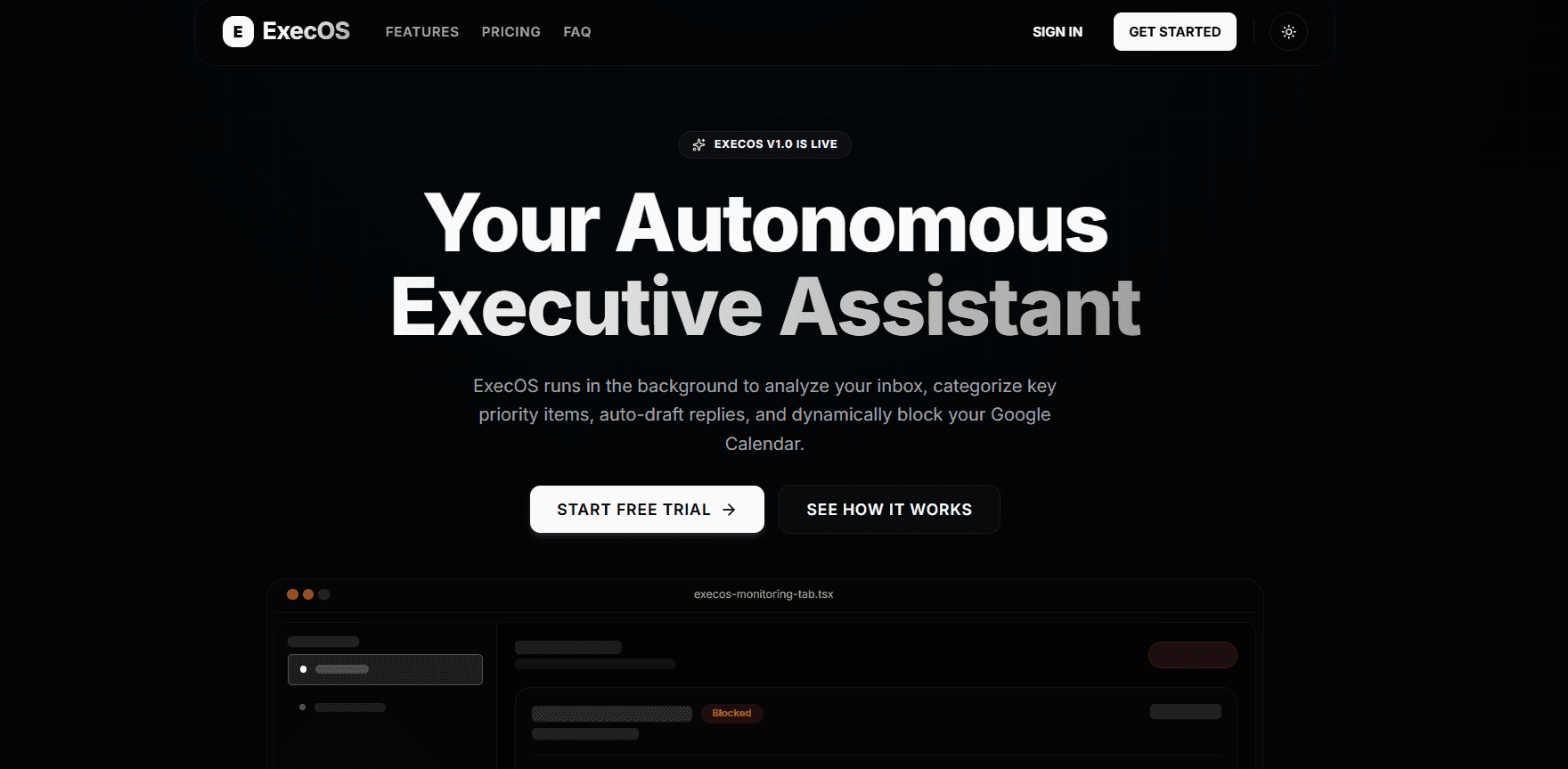
ExeOS-AI is an AI-native executive workspace that unifies email, calendars, tasks, notes, and intelligent automation into a single productivity platform. Built for professionals and modern teams, it leverages state-of-the-art language models to automate routine work, organize information, and provide actionable insights from your daily workflow.
Next.js App Router → Server Actions & Route Handlers → Drizzle ORM → PostgreSQL │ Clerk Authentication │ Inngest Background Jobs │ OpenRouter & Vercel AI SDK → OpenAI · Claude · Gemini · Tencent Models
Visualizing the step-by-step lifecycle of request payloads and data pathways.
Shields server resources by validating Clerk session cookies, ensuring users only access their authorized workspace and tenant organization scopes.
Routes client actions, manages react state, and streams model completions to the dashboard interface using Vercel's standard AI stream helpers.
Fires scheduled crons to sync email and calendar events, processes asynchronous database updates, and triggers real-time workspace alerts.
Selects and calls the best frontier models (Claude 3.5 Sonnet, GPT-4o, Gemini 1.5 Pro) based on workspace prompts, request latency, and budget requirements.
Performs low-latency transactional updates and relational queries on PostgreSQL schemas using Drizzle, fetching inbox messages, event schedules, and system logs.
Designing a scalable AI orchestration layer capable of routing requests across multiple language models.
Building asynchronous AI workflows with retries, scheduling, and event-driven processing using Inngest.
Creating a premium, highly responsive SaaS interface while maintaining accessibility and performance.
Optimizing PostgreSQL queries and Drizzle ORM interactions for low-latency data retrieval.
Managing secure authentication, protected routes, and user-specific AI context using Clerk.

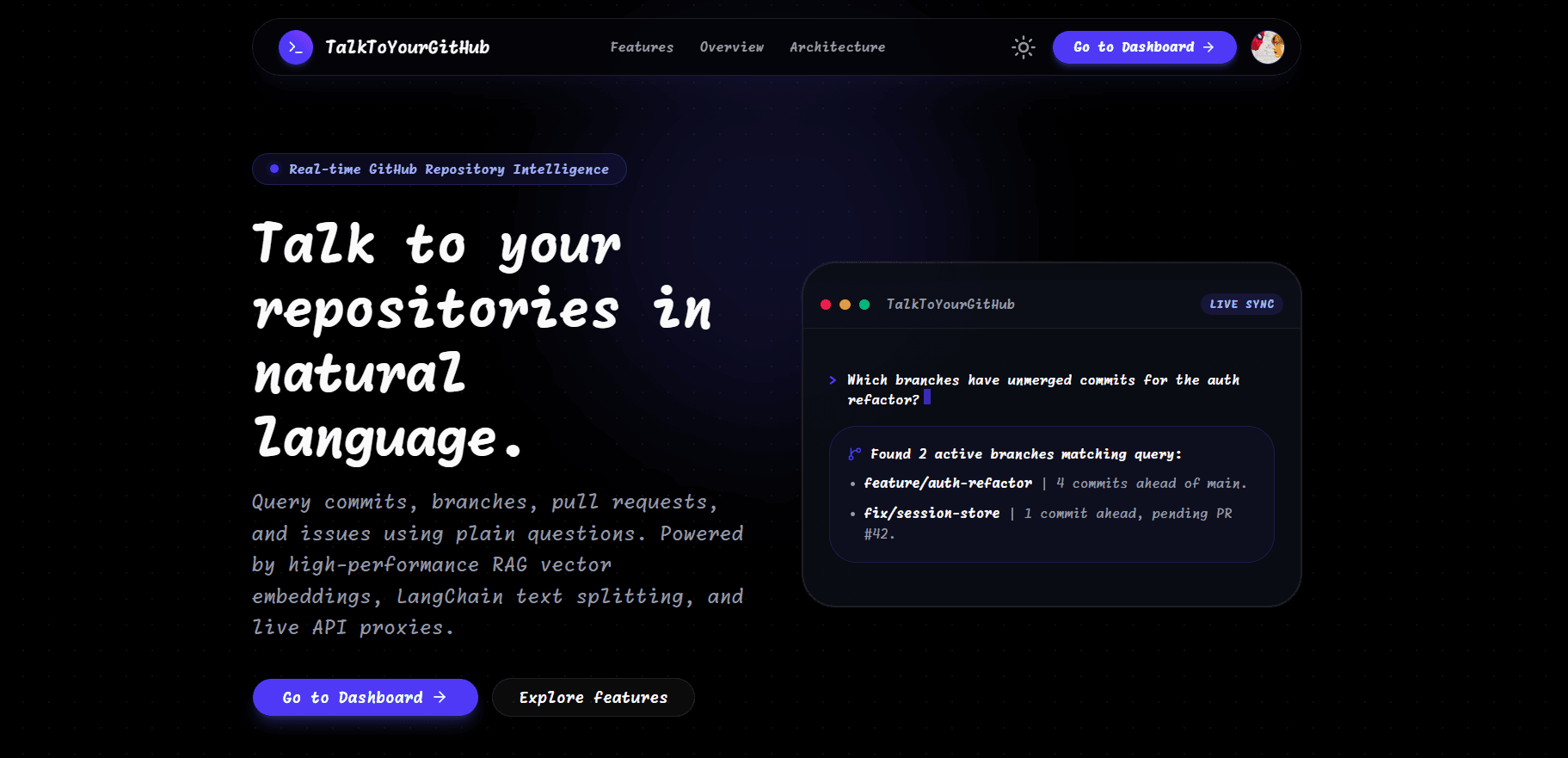
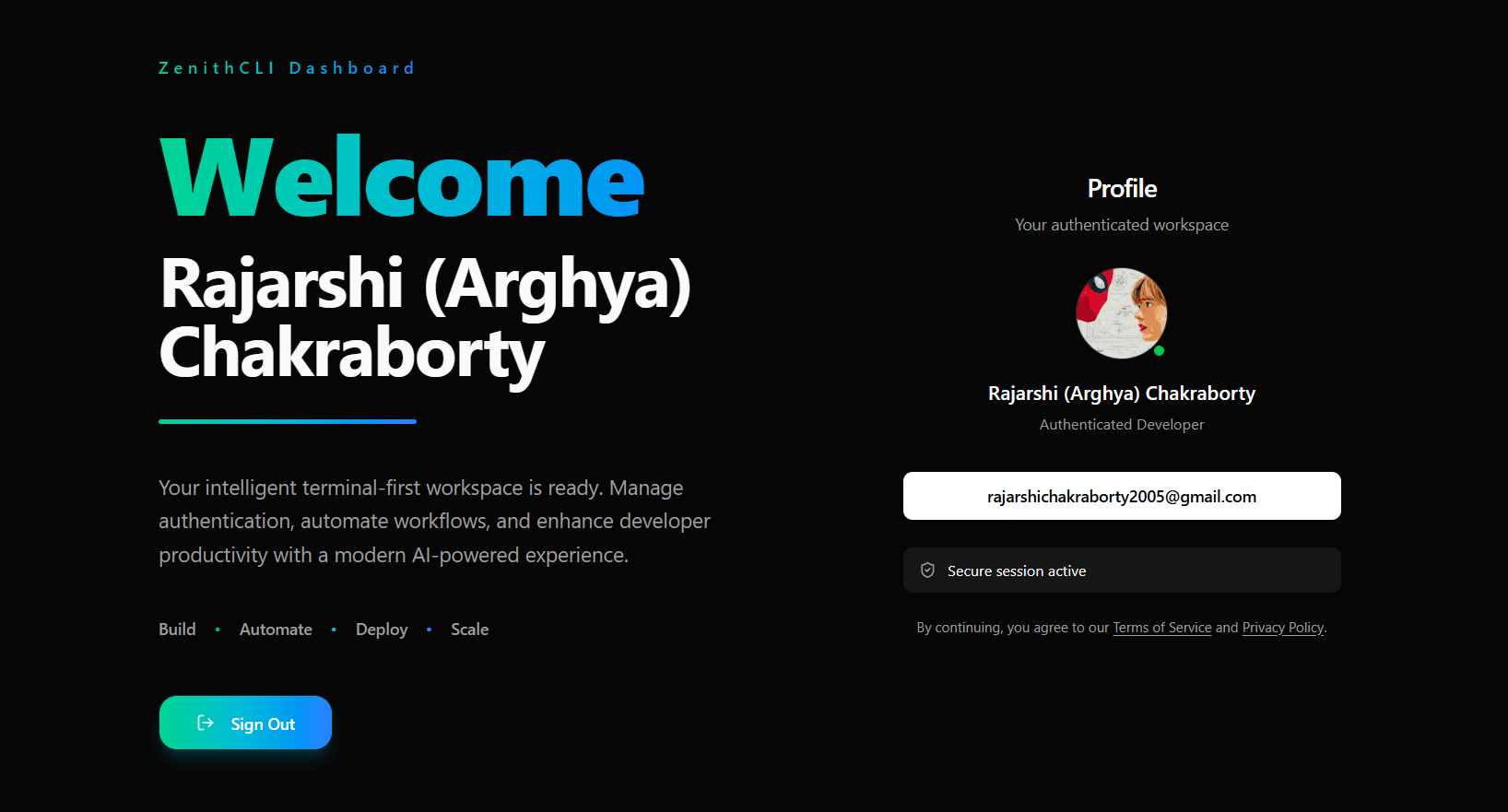
Zenith CLI is a modern, AI-powered developer workspace that lives entirely inside your terminal. Powered by Google Gemini, Zenith combines conversational AI, intelligent tool execution, and autonomous project generation into a single CLI experience. Whether you're asking questions, searching the web, executing code, or scaffolding an entire application, Zenith keeps your workflow fast, interactive, and terminal-first.
Commander.js CLI → Express.js API → Prisma → PostgreSQL | Next.js Dashboard | OpenAI API for AI inference | Better Auth for user management
Visualizing the step-by-step lifecycle of request payloads and data pathways.
Accepts developer commands and arguments inside terminal shells. Bundles module trees using tsup/esbuild for minimal execution latency.
Coordinates login states between the terminal and browser using the OAuth 2.0 Device Flow (RFC 8628) and Better Auth dashboard controls.
Processes REST queries, validates user authentication payloads, and fetches details from a PostgreSQL instance using type-safe Prisma schemas.
Leverages Gemini API models via the Vercel AI SDK to build folder structures, write template configurations, and stream generated code solutions to the terminal.
Designing an intuitive CLI UX that works cross-platform
Streaming AI responses in real-time within the terminal
Managing secure API key storage in the CLI context

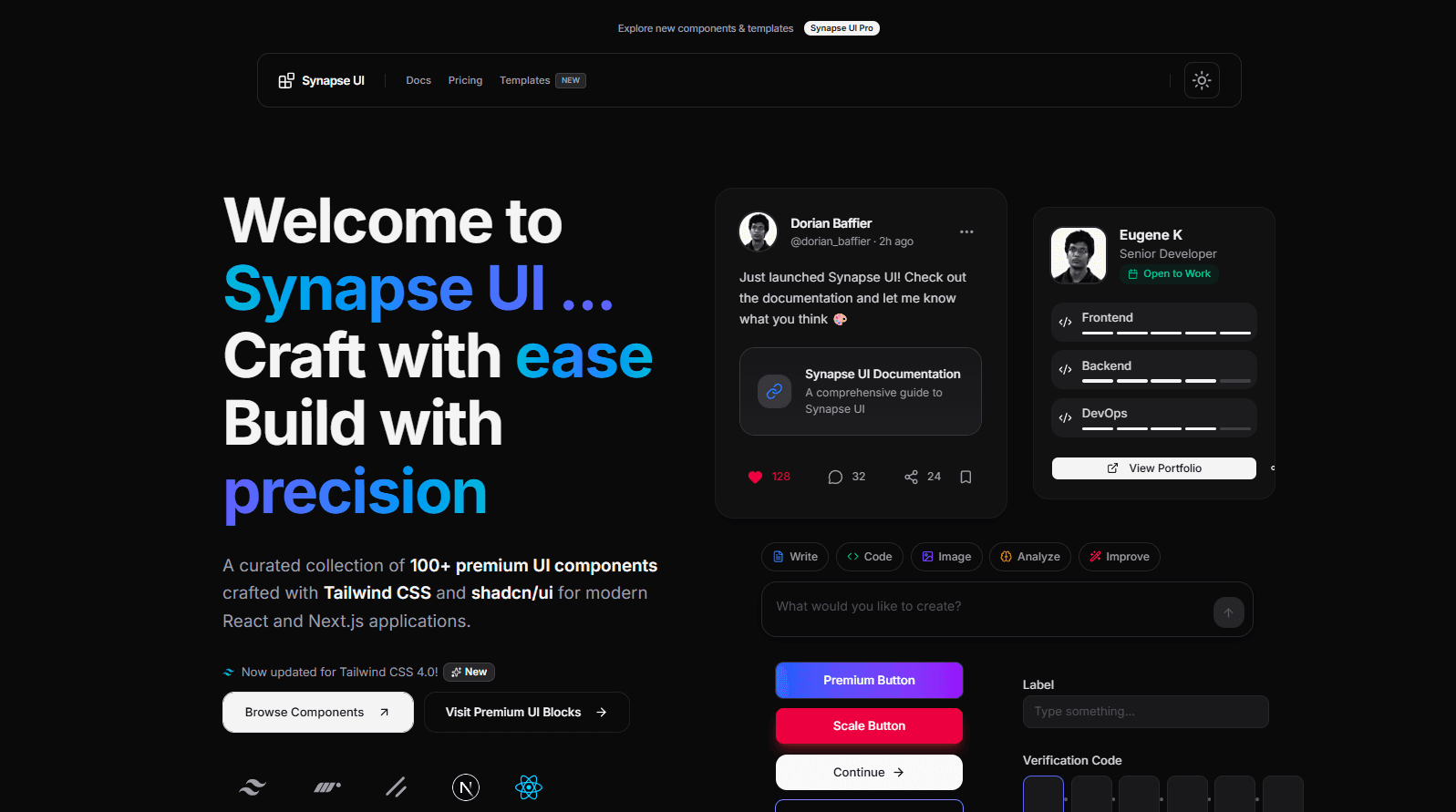
Synapse UI is a modern React UI library built with Next.js, TypeScript, and FumaDocs - helping developers build beautiful, production-ready applications faster. Designed with accessibility, performance, and scalability in mind, it enables teams to ship consistent, maintainable interfaces with confidence.
Next.js App Router → FumaDocs MDX → Component Registry | TailwindCSS design tokens | Shadcn CLI integration | Vercel deployment
Visualizing the step-by-step lifecycle of request payloads and data pathways.
Hosts interactive MDX documentation pages, rendering live playground components where designers can manipulate props and see layouts in real-time.
Compiles source code paths, Tailwind design tokens, and components catalog layouts into static JSON metadata hosted on Vercel CDN nodes.
Resolves shadcn-compatible CLI requests to fetch component details from the JSON registry and injects them directly into developer file workspaces.
Building a zero-dependency component registry compatible with Shadcn CLI
Rendering live MDX examples with accurate type inference
Maintaining consistency across 30+ components with a single design system
Real-Time Audience Engagement Platform at Scale

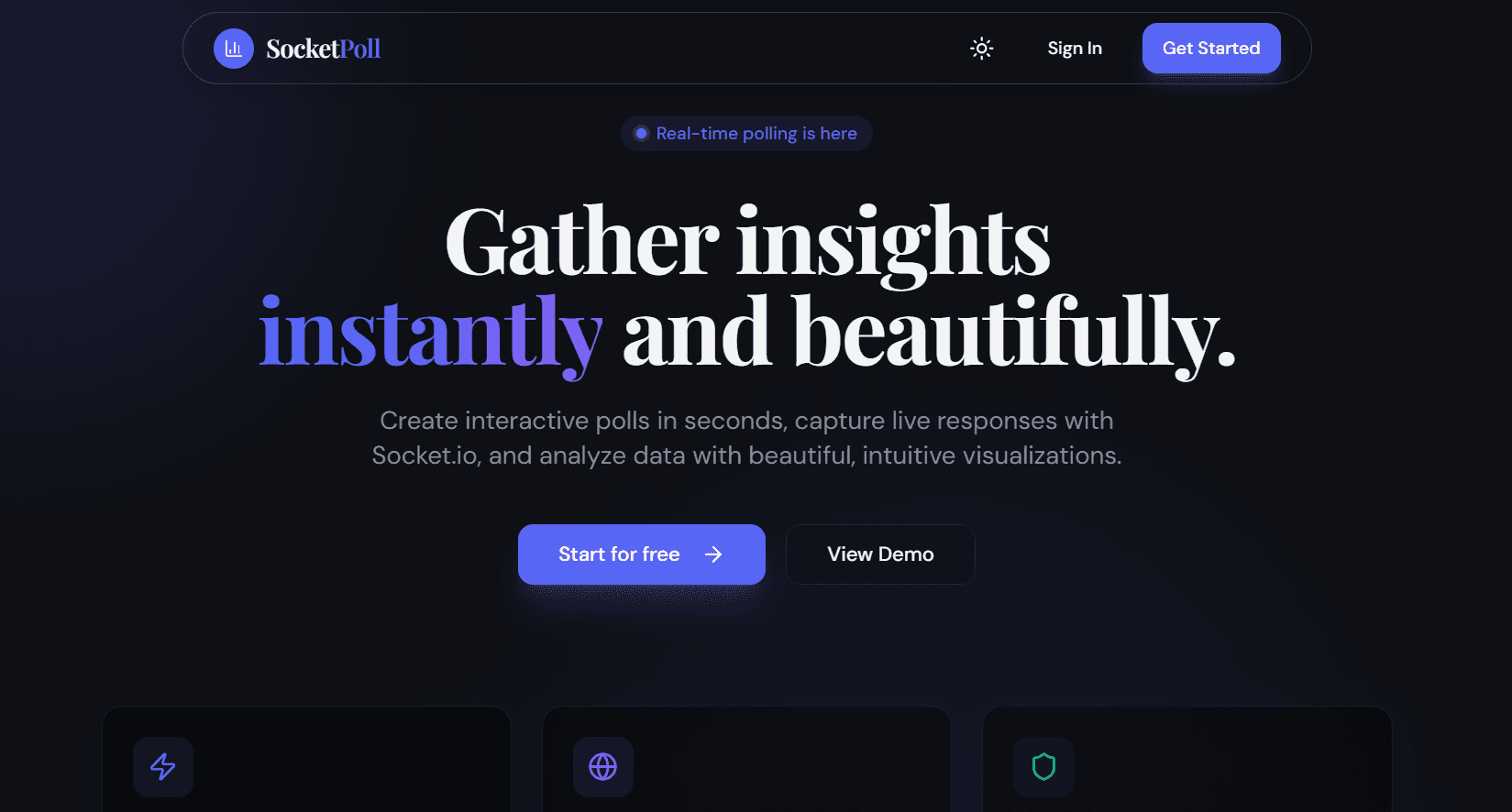
SocketPoll is a real-time audience engagement platform engineered for instant interactive experiences, featuring low-latency WebSocket communication, scalable backend architecture, and a modern React-based interface powered by PostgreSQL for reliable data persistence.
React + Vite SPA → WebSocket (ws) → Express.js → Drizzle ORM → PostgreSQL | Real-time event broadcasting | Vercel deployment
Visualizing the step-by-step lifecycle of request payloads and data pathways.
React + Vite user applications that render active vote sliders, poll charts, and session control panels using responsive Tailwind elements.
Creates persistent, bi-directional sockets between user views and the backend to broadcast and update live poll stats in milliseconds.
Validates host dashboard credentials, initializes active poll sessions, and exposes REST endpoints for dashboard controls.
Validates user ip hashes, registers vote transactions, and saves aggregate tallies onto Postgres schemas utilizing Drizzle.
Maintaining consistent state across all connected clients at scale
Handling WebSocket disconnects and graceful re-connection
Designing the database schema for high-throughput vote writes
AI-Powered LinkedIn Content Generation Platform

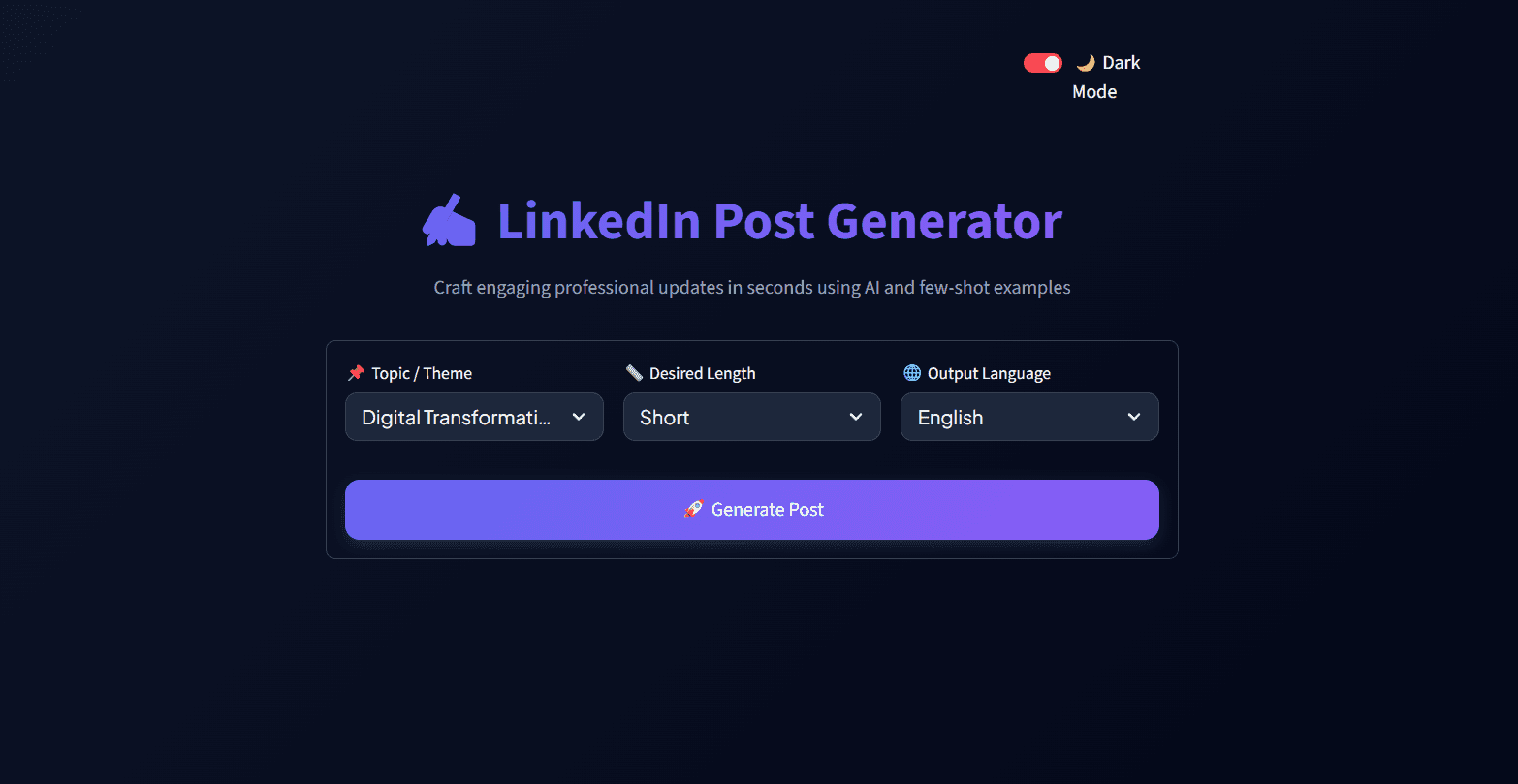
LinkedUp is an AI-powered LinkedIn content generation platform built with LangChain, Groq LLMs, and Streamlit, delivering context-aware, high-quality content generation through scalable LLM pipelines and an intuitive user interface.
Streamlit UI → LangChain Prompt Pipeline → Groq LLM Inference → Pydantic Output Parser | Streamlit Cloud deployment
Visualizing the step-by-step lifecycle of request payloads and data pathways.
Renders parameter settings (tone, industry, keywords, topic, length) for generating LinkedIn posts using Streamlit elements.
Loads preconfigured prompt files, compiles user context inputs, and handles call chains to orchestrate instructions to LLMs.
Queries Groq's high-speed API endpoints to get structured text responses in milliseconds.
Enforces type structures on generated text output (e.g. hashtags, key hooks, content blocks) before rendering details to users.
Designing prompt templates that reliably produce LinkedIn-optimized content
Managing LLM token costs while keeping response quality high
Building a low-friction UX with zero infrastructure in Streamlit
Lightweight Tailwind-Inspired CSS Utility Engine

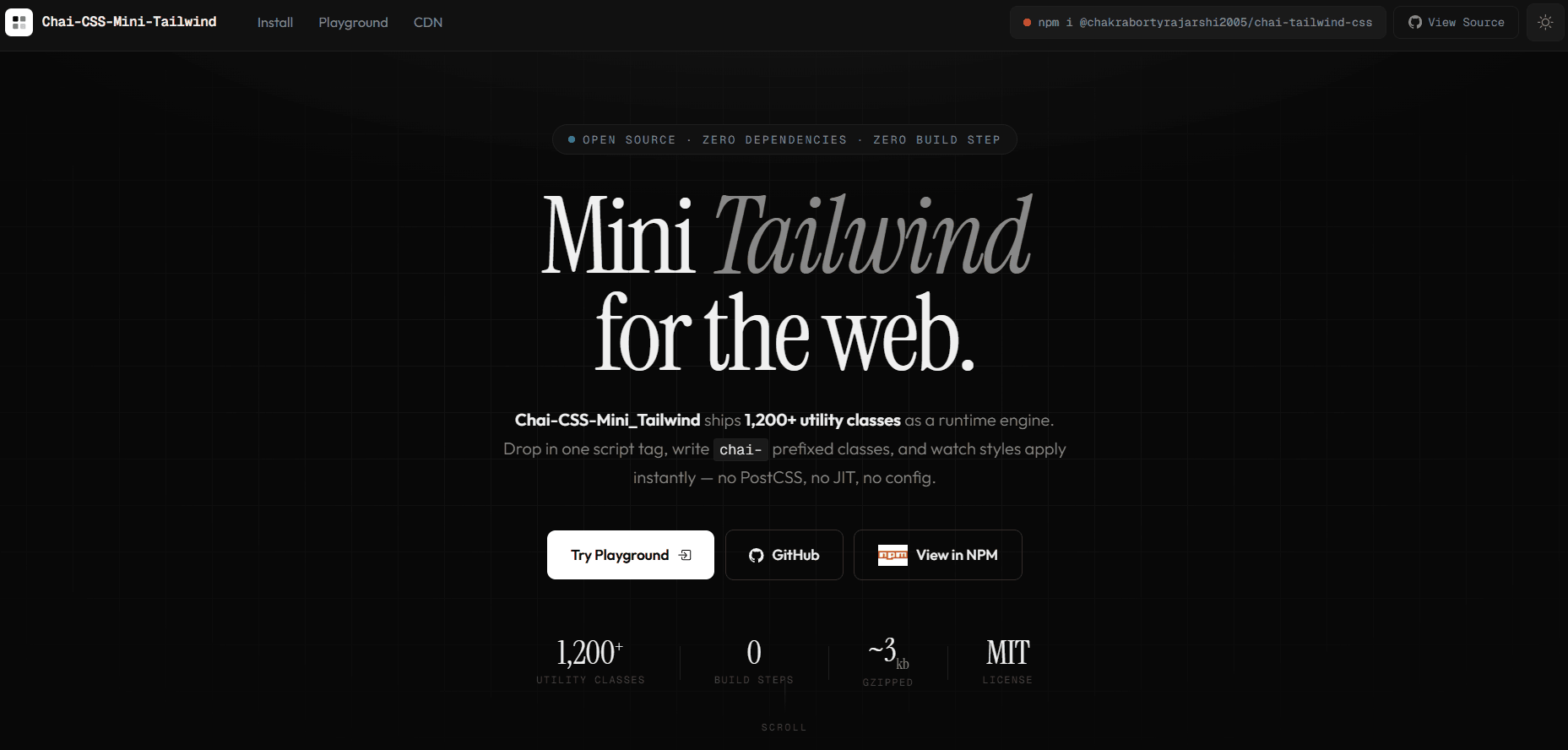
A lightweight, runtime CSS utility engine inspired by Tailwind CSS, leveraging vanilla JavaScript and DOM manipulation to deliver dynamic utility class generation, real-time styling, and a fast, build-free development workflow.
Vanilla JS Utility Parser → DOM Style Injection → Class Map Registry | React Adapter Layer | Netlify deployment | NPM package distribution
Visualizing the step-by-step lifecycle of request payloads and data pathways.
Parses DOM layouts at runtime, scanning class lists for active Tailwind CSS style configurations.
Tokenizes string classes into parts, identifying responsive tags, utility modifiers, values, and selector parameters at runtime.
Compares style tokens against lookup configurations to compile standard CSS style sheets dynamically.
Appends generated styling rules into a dedicated runtime stylesheet in the browser document head, painting components instantly.
Designing a performant runtime parser that doesn't block the main thread
Handling class specificity conflicts with existing stylesheets
Making the extensible class map intuitive for third-party consumers